Planning
Planning figures in plain language
Planners ask for volumes, variants and scheduling constraints by text or voice, and the assistant finds the answer across ERP, data warehouses and your own applications.

Industries · Automotive
theBlue.ai builds custom AI systems that answer planning questions from several systems at once, watch machine data for signs of failure, read supplier documents and quality claims and give service teams answers from technical documentation. Each system connects to the ERP, MES and data warehouses you already run, such as SAP or your own applications, on-premise, in the cloud or hybrid.
AI in the automotive industry answers questions about planning and production data in plain language, inspects parts on camera images and evaluates machine data.
In plants and at suppliers this supports reporting, quality checks and the preparation of maintenance decisions. The systems draw on SAP, BI systems, MES and image data from the line.
The gain: answers from planning data without a detour through a report, consistent inspection criteria and earlier signs of wear. Approvals, blocks and warranty decisions stay with people.
Project example · Leading luxury car manufacturer
Product planners at a leading luxury car manufacturer pulled production volumes, configuration options and market-specific variants from SAP BW and several data warehouses. Reaching the data needed specialist knowledge of the systems and took hours of planner time every day. A conversational assistant now answers their planning questions directly from those systems, by text or voice.
Some of the organisations we have built for















What AI takes over
At car manufacturers and suppliers, AI takes work off the planning office, the production line, quality, purchasing, engineering and the workshop.
Planning
Planners ask for volumes, variants and scheduling constraints by text or voice, and the assistant finds the answer across ERP, data warehouses and your own applications.
Maintenance
Sensor data from presses, robots and conveyors shows the actual condition of each machine. Service follows wear, and failures are caught before they stop the line.
Quality
Camera images from the line are checked for defects such as scratches, dents or missing components, and suspect parts are flagged for the quality team.
Quality
Claims and reports from dealers and workshops are classified by component and fault, and patterns that point to the same cause surface early.
Purchasing
Order confirmations, delivery notes and changed delivery dates from suppliers are read from emails and PDFs, entered into the ERP and deviations are flagged.
After-sales
Technicians ask about repair manuals, service bulletins and past cases in plain language and get the answer with a link to the passage it came from.
Engineering
Requirements, specifications and test reports are searched and compared across versions, and engineers see where a value or a requirement has changed.
Sales and events
An AI avatar or voice assistant answers visitor questions about models, equipment and the stand in real time, in several languages.
IT
Tickets for ERP, MES and plant systems are classified by system and component, and each one goes to the colleague with the right skills, availability and workload.
How it works
How many model line C cars with the winter package are planned for the Nordic markets in Q3?
And how does that compare with Q3 last year?
Answer · draft
Illustrative example with invented data, based on the planning assistant case study.
Built for automotive
Data spread across many systems, strict access rules and production lines where every hour of downtime counts.
Each answer only contains data the specific user is authorised to see, and the data stays in your infrastructure.
ERP, MES, data warehouses and your own applications, combined behind one question. Nobody has to know which system holds what.
The architecture starts from your existing infrastructure, on-premise, in the cloud or hybrid.
The system finds, flags and prepares. Planning decisions, maintenance orders and quality decisions stay with your teams.
Case studies
Two projects for automotive manufacturers, and one from a related field: anomaly detection in the sensor data of devices in the field.

Automotive · leading luxury manufacturer
Product planners queried SAP BW and several data warehouses by hand for every decision, and each query needed someone who knew those systems. A bilingual assistant now retrieves the data on demand.
Read the case study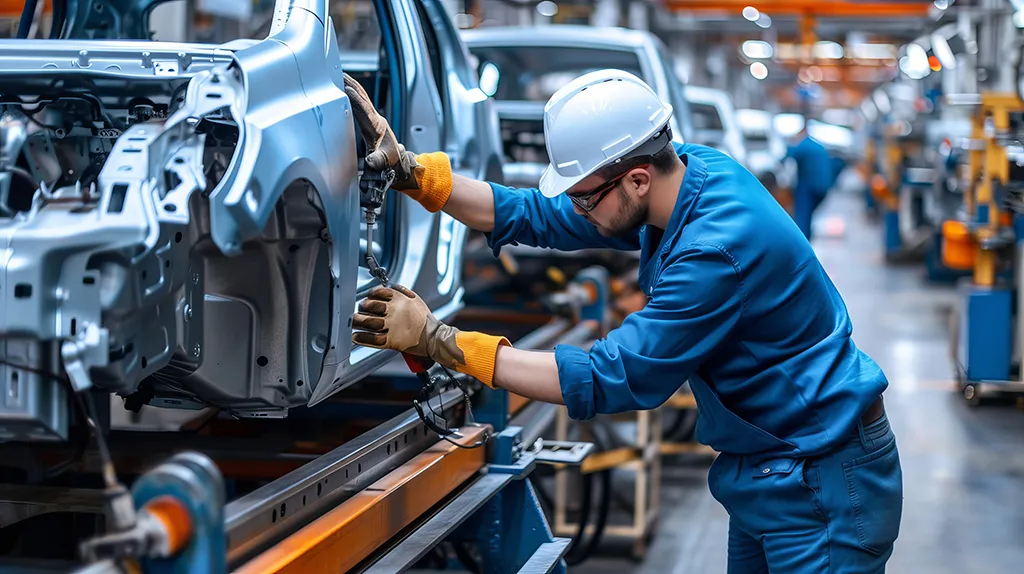
Automotive · under NDA
Unplanned equipment failures were causing costly production stops. We assessed the existing infrastructure and delivered an architecture for predictive maintenance together with the path to get there.
Read the case study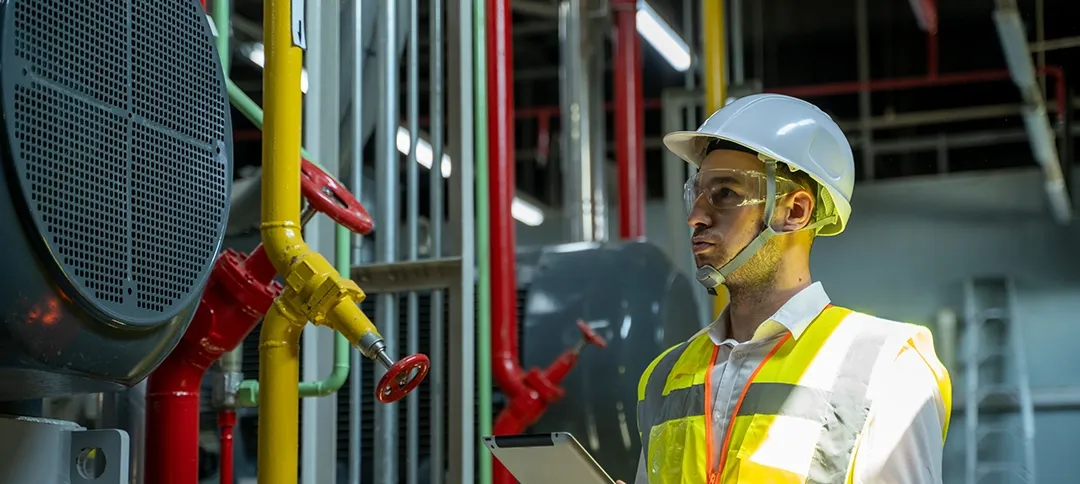
Energy & building technology · under NDA
Engineers reviewed sensor data from HVAC systems by hand to spot irregularities. AI now watches continuously, detects anomalies, classifies operating modes and flags issues before they escalate.
Read the case studyHow to start
A planning query, a machine on the line or a stack of supplier documents: the work your team does by hand today, and the data it runs on. We check early whether the data carries the use case and where it may be processed.
Tell us where the manual work sits and which data it involves. We come back within one business day with an initial assessment and a proposal for a 30-minute scoping call.
Describe your processWorkflows mapped, your data sources and requirements checked, and an architecture proposed with scope, timeline and cost. A standalone engagement with no commitment to proceed.
See the AI Discovery WorkshopFAQ
In automotive, AI takes over work that planners, engineers and technicians otherwise do by hand: planning figures spread across several systems, machine data on the line, camera images in quality inspection, warranty claims, supplier documents, specifications and test reports, and repair manuals in after-sales. The AI system prepares the result, and planners, engineers and technicians decide.
Yes. For a leading luxury car manufacturer theBlue.ai built an assistant that planners ask in German or English, typed or spoken. It works out which of SAP BW and several data warehouses to query and how to combine them, and a routine planning question that took hours is answered in seconds, without IT support.
With an assessment of what you already have. For an automotive manufacturer theBlue.ai ran multi-day workshops that assessed the existing Azure and on-premise infrastructure, evaluated Big Data and machine learning approaches against the specific machines, and delivered a solution architecture with a phased roadmap: which technologies to invest in, what data to collect and how to phase the implementation.
Yes. For a global HVAC manufacturer theBlue.ai built machine learning pipelines that detect anomalies, classify operating modes and notice failing sensors in the data of more than 100 devices with 50 or more sensors each, replacing manual monitoring.
It can. The planning assistant for the luxury car manufacturer runs in Microsoft Azure with a secure connection into the on-premise SAP systems, and strict permission controls mean it only reaches data the specific user is authorised to see. theBlue.ai also deploys fully on-premise or in the cloud.
With one process, such as a recurring planning question or the maintenance of one machine type, and the data behind it. The process analysis has a fixed price from €3k and ends with an architecture proposal that states scope, timeline and cost, including where the data may be processed. The build is priced in milestones, and first working components typically arrive six to eight weeks in.
Describe the process and we’ll come back within one business day with an initial assessment and a proposal for a 30-minute scoping call.